
Life Sentence for Man Who Killed Japan’s Former Prime Minister Shinzo AbeThe man who killed Japan’s former prime minister, Shinzo Abe,
has been sentenced to life in prison, nearly three and a half years after he shot him dead during a political rally in the city of Nara in 2022.
Tetsuya Yamagami, now 45, pleaded guilty to the murder charges at the opening of his trial, but his punishment sparked debate across Japanese society.
While some viewed him as a calculated killer who assassinated a national leader,
others expressed sympathy, citing his difficult upbringing and troubled family circumstances.
Prosecutors argued that Yamagami’s actions were extremely dangerous and deliberately planned, warranting a life sentence.
His defense lawyers, however, called for leniency, claiming that he was a victim of what they described as “religious abuse.
”The court heard that Yamagami’s mother had donated large sums of money to the Unification Church, financially ruining the family.
Yamagami said he developed resentment toward Shinzo Abe after learning of the former leader’s ties to the controversial organization.
A judge at the Nara District Court described the killing as “heinous and ruthless,”
noting that the defendant waited for an opportunity, deliberately targeted the victim, and used a firearm.
The court therefore sentenced Yamagami to life imprisonment, in line with the prosecution’s request.
As the verdict was read out, Yamagami appeared calm, his hands clasped and eyes lowered. Large crowds gathered in an effort to gain access to the courtroom and witness the sentencing.
The assassination of Shinzo Abe shocked Japan,
a country with strict gun control laws and extremely low levels of gun-related crime.
The incident also triggered investigations into the Unification Church and its connections with senior political figures.
Abe’s widow delivered an emotional statement in court,
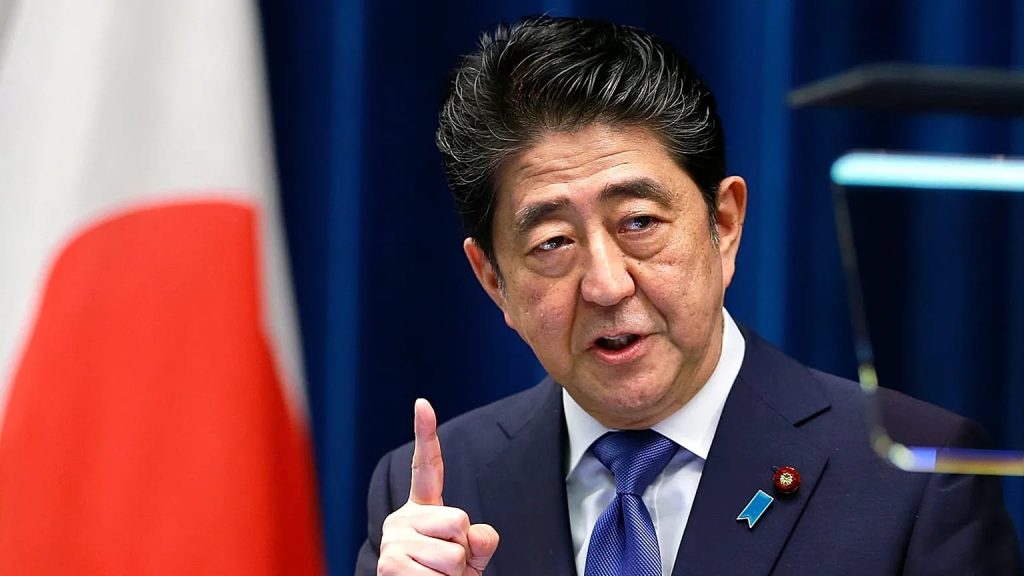
saying the pain of losing her husband would never fade and that she had only wished for him to remain alive.
The case has reignited a broader debate about the influence of controversial religious organizations, social responsibility,
and how personal hardship can sometimes contribute to the commission of serious crimes.
About the Author

Discover more from
Subscribe to get the latest posts sent to your email.