Ukraine Endures Largest Russian Air Strikes Amid Trilateral Peace Talks
Ukraine has faced its most significant Russian aerial assault of the year, occurring just hours after the first round of trilateral peace talks between Ukraine, Russia, and the United States took place in Abu Dhabi.
The discussions marked a rare moment of diplomatic engagement after nearly four years of conflict, but the brutal reality on the ground remains dire.
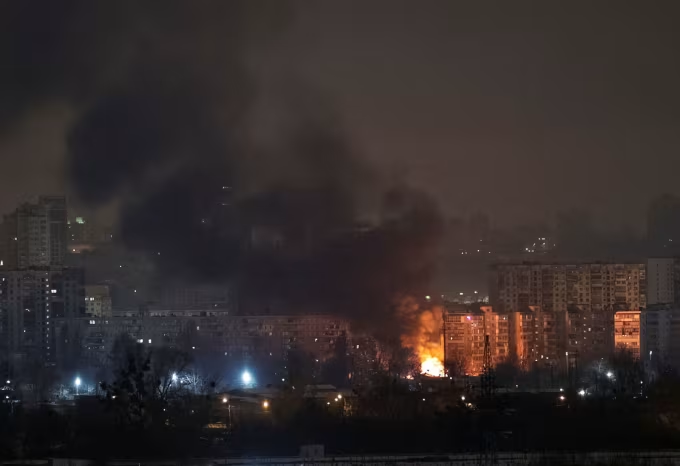
Overnight, Ukraine’s air defense systems were activated to counter a massive barrage of more than 370 drones and 21 missiles launched by Russian forces.
The Ukrainian capital, Kyiv, bore the brunt of the attacks, experiencing power outages that left nearly 6,000 apartment buildings without heat in freezing winter temperatures.
Water supplies to large parts of the city were also disrupted due to the destruction.
Tragically, at least one person lost their life, and four others were injured as a result of the strikes. In the northeastern city of Kharkiv, critical civilian infrastructure suffered heavy damage.
A maternity hospital and a dormitory housing displaced people were hit, resulting in injuries to at least 19 individuals, including children. The attacks on these humanitarian sites highlight the ongoing dangers faced by civilians caught in the crossfire.
President Zelensky confirmed that the primary targets were Ukraine’s energy infrastructure, a vital sector during the harsh winter months.
The strikes threaten to deepen the humanitarian crisis by further destabilizing essential services, putting millions of lives at risk.
Despite the escalation of violence, diplomatic efforts have continued.
The first-ever trilateral talks involving Russia, Ukraine, and the United States convened in Abu Dhabi in an attempt to pave the way toward peace.
These negotiations represent a significant milestone, as they mark the first direct engagement among all parties since the war began.
The talks center on resolving key issues, with territorial disputes at the forefront.
Russia demands Ukraine withdraw from the Donbas region—a strategically critical and coal-rich area in eastern Ukraine—while Ukraine remains steadfast in its refusal.
This region has been the epicenter of conflict since 2014 and is crucial for Ukraine’s industrial base and defense.
The Donbas region’s loss would leave much of eastern Ukraine vulnerable and dramatically shift the balance of power.
Ukraine has heavily fortified this zone over the years, understanding its importance for the country’s security and sovereignty.
While the meetings are confidential, Ukrainian negotiators expressed cautious optimism.
They underscored the importance of achieving a “dignified and lasting peace” and expressed gratitude toward the United States for mediating the talks.
However, President Zelensky tempered expectations, stating it was “too early” to draw definitive conclusions and emphasizing that Russia must demonstrate a genuine willingness to end the war.
The ongoing conflict has already resulted in Russia occupying nearly 20% of internationally recognized Ukrainian territory, including the entire Luhansk region and parts of Donetsk, Kherson, and Zaporizhzhia.
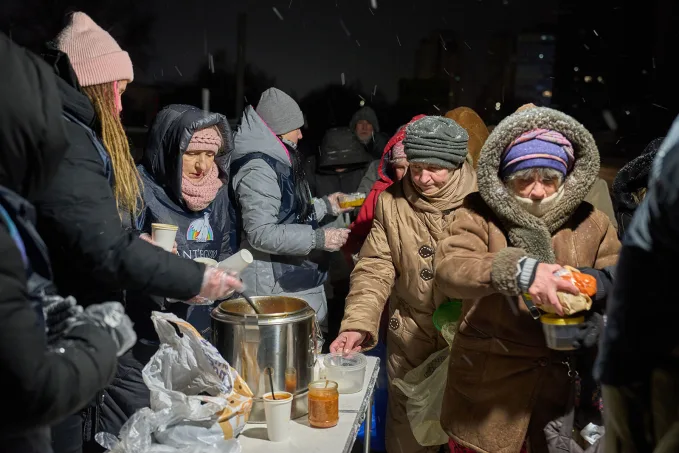
This occupation has exacerbated humanitarian challenges, with millions displaced and infrastructure severely damaged.
As the world watches these developments, the juxtaposition of diplomatic dialogue and brutal military strikes illustrates the fragile nature of peace efforts.
The coming days and weeks will be critical in determining whether talks can translate into tangible steps toward ending the violence and rebuilding a war-torn nation.
–
About the Author

Discover more from
Subscribe to get the latest posts sent to your email.