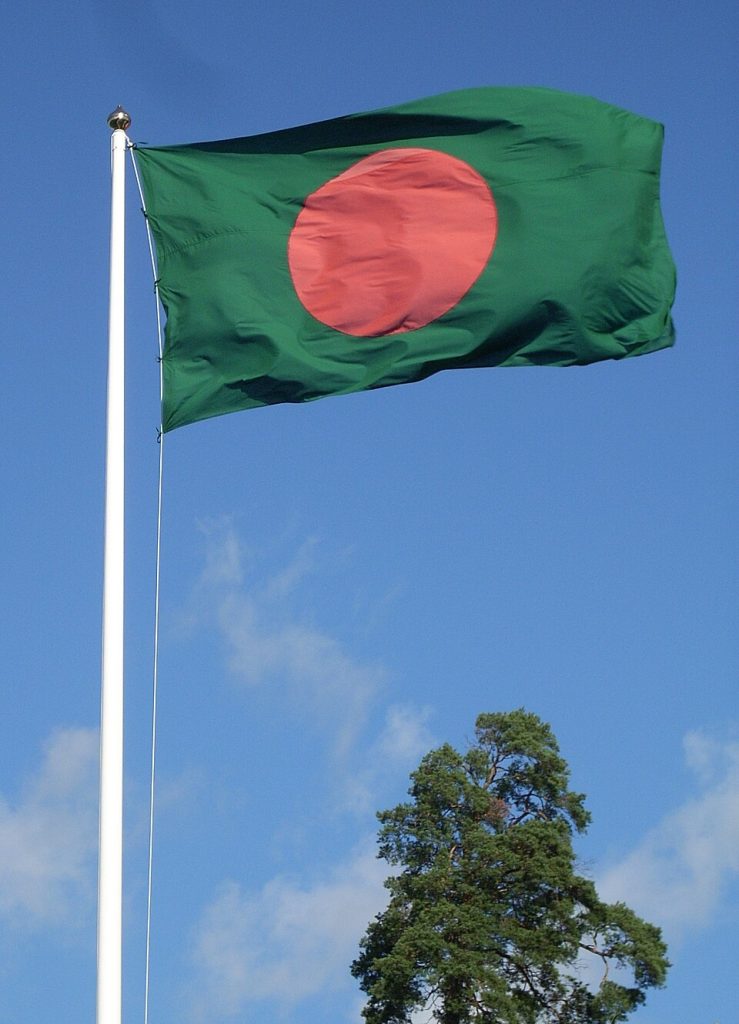
Bangladesh’s Military and Politics: Influence Without Direct Rule?
As Bangladesh prepares for a national election scheduled for February 2026, public debate has increasingly focused on one sensitive question: while the era of direct military rule appears to have ended, does the army still quietly shape political outcomes?
In political conversations across the capital, a district known for hosting major military installations has become symbolic of the armed forces’ lingering influence. Though soldiers are not contesting power at the ballot box, their presence remains central to the current political climate.
A Security Role That Shapes Politics
Since the political upheaval that ended long-standing civilian leadership in 2024, the military has played a visible role in maintaining public order. With the police force weakened after months of unrest, troops have been deployed nationwide under special legal authority to support civilian law enforcement.
For the upcoming election, this role is expected to expand. Tens of thousands of soldiers are likely to be deployed, formally recognized as part of the country’s election security framework. While officials insist this is necessary to guarantee stability, critics warn that such visibility inevitably carries political weight.
Influence Without a Coup
Political analysts widely agree that the military is not seeking to seize power directly. Instead, its influence operates through institutional reach: control over security, intelligence networks, and deep integration within state structures.
Experts note that the armed forces today act as a stabilizing force rather than an overt political actor. However, their ability to shape civilian decision-making remains significant, especially during periods of transition.
Lessons From the Past
Bangladesh’s history is marked by repeated military interventions following independence. Coups, counter-coups, and extended periods of army rule shaped political institutions that still dominate elections today. Although democratic movements eventually restored civilian governance, the legacy of military involvement has never fully disappeared.
Since the early 1990s, the military’s role has gradually shifted from direct rule to indirect influence. While no longer governing openly, it has remained embedded in infrastructure projects, commercial ventures, and strategic state institutions.
The 2024 Turning Point
During the 2024 uprising, the military’s stance proved decisive. Rather than enforcing harsh measures against protesters, troops refrained from firing on civilians, a decision many observers believe prevented wider bloodshed. This moment reinforced the perception of the army as both a power broker and a guardian of stability.
An interim civilian administration was later formed, with the military pledging support while publicly emphasizing its desire to stay out of politics. Nevertheless, occasional public statements by senior officers on election timelines blurred the line between security oversight and political involvement.
Ongoing Concerns and Accountability
Debate over the military’s role has intensified due to unresolved issues from the previous government era, including allegations of enforced disappearances and misuse of security agencies. Several serving and former officers now face legal proceedings, a rare development in the country’s civil-military history.
Some analysts argue that accountability could strengthen professionalism within the armed forces and prevent future politicization. Others caution that tensions between civilian authorities and military leadership could resurface if reforms are mishandled.
What Comes Next?
As Bangladesh approaches the 2026 election, most observers believe the military will avoid overt political intervention. Still, its influence remains substantial, shaped by its security mandate, institutional power, and historical legacy.
The long-term challenge, analysts say, is ensuring that democratic institutions grow strong enough to govern without leaning on military authority—while also preventing civilian leaders from exploiting the armed forces for political advantage.
About the Author

Discover more from
Subscribe to get the latest posts sent to your email.