
Energy markets were sent into a tailspin this Thursday as a series of coordinated strikes targeted critical infrastructure across the Middle East. The escalation, which included an attack on the world’s premier liquefied natural gas (LNG) facility, has triggered a massive spike in global benchmarks for both crude oil and natural gas.
The Impact on Global Benchmarks
The immediate reaction in the trading pits was one of volatility and concern. Brent crude, the international standard, surged by over 6%, climbing past the $114 per barrel mark. This follows a period of steady increases, marking the highest levels seen in years. Meanwhile, the U.S. benchmark, WTI, also saw gains, hovering near $96 per barrel.
The natural gas market, particularly in Europe, faced even sharper fluctuations. Benchmark prices jumped by nearly 17% in a single day. Since the onset of regional hostilities in late February, natural gas costs have officially doubled, placing immense pressure on global economies.
Catastrophic Damage to LNG Infrastructure
The most significant blow to the energy sector was the confirmed “extensive damage” to the Ras Laffan LNG hub in Qatar. Recognized by the International Energy Agency as the largest facility of its kind, Ras Laffan was hit by two separate missile strikes within a 12-hour window.
Industry analysts suggest that this disruption “fundamentally alters the outlook” for the global gas market. It is now estimated that the supply chain could remain compromised for at least two months, ensuring that prices remain elevated for the foreseeable future.
The Human Cost: How the Energy Crisis Hits the Consumer
While oil and gas prices have reached record highs, the impact extends far beyond major corporations. Everyday citizens across the globe are beginning to feel an immediate financial burden:
- Fuel Prices: Pump prices for gasoline are expected to rise by 25% to 40% in the coming weeks, making daily commutes much more expensive.
- Household Utilities: Because natural gas is a primary source for electricity generation, home utility bills are projected to double in the next season.
- Food Inflation: Transporting groceries requires expensive fuel, leading to a rise in the cost of meat, dairy, and produce in international markets.
- Air Travel: Airlines have already begun implementing fuel surcharges on tickets to offset the rising cost of aviation fuel.
Analysis Table: Impact on Global Energy Hubs
| Energy Hub / Asset | Location | Status / Impact | Market Reaction |
| Ras Laffan LNG | Qatar | Extensive damage; production halted. | 16.7% surge in gas prices. |
| South Pars Field | Shared | Targeted in recent missile strikes. | Doubled gas prices since Feb. |
| Brent Crude | Global | Trading above $114/barrel. | 6% intraday increase. |
| Riyadh Refineries | Saudi Arabia | Reported attacks near facilities. | Increased risk premium on oil. |
| Kuwait Refineries | Kuwait | Targeted by drone strikes; fires reported. | Market volatility and supply fear. |
| Strait of Hormuz | Maritime | Virtually closed to commercial tankers. | 20% of global supply at risk. |
Faham kafiican, saaxiib! Maadaama aad rabto inaad ku darsato maqaalkii hore (Energy Crisis post), halkan waa qayb falanqayn xooggan ah (Deep Strategic Analysis) oo aad isla dhex gashan karto qoraalkaaga. Waxaan u qoray si ay nuxurka u kordhiso (Add Depth) iyadoo aan loo baahnayn SEO cusub.
Waxaad si toos ah ugu dhex dari kartaa maqaalka qaybtiisa dambe:
Strategic Analysis: The Gulf’s Dilemma and the Limits of U.S. Protection
As the war transitions from military targets to the destruction of energy infrastructure, the Arab Gulf states find themselves in a precarious “neutrality trap.” While the United States and Israel intensify strikes on Iranian economic hubs, regional powers—led by Saudi Arabia and the UAE—are signaling deep alarm. Their message is clear: “If Iranian energy facilities are destroyed, the retaliation will land on our soil.”
1. The Erosion of the U.S. Security Umbrella
For decades, the presence of the U.S. military in the Middle East was viewed as a guarantee of safety for global oil markets. However, recent events have sparked a crisis of confidence:
- The Defenseless Gap: Despite advanced missile defense systems, the sheer volume of Iranian drone swarms has proven that the U.S. cannot guarantee 100% protection for every refinery in the Gulf.
- Potential Withdrawal: Rumors of a total U.S. strategic pivot or withdrawal are growing. If Washington decides the cost of defending the Gulf outweighs the benefit of its energy exports, the region could be left to face Iranian aggression alone.
2. Arab Resistance to Escalation
Gulf nations no longer see the U.S. presence as a pure asset; many now view it as a liability that invites conflict.
- Retaliation Fears: Arab leaders are pushing for a halt to energy-sector strikes, fearing that Iran will treat regional neighbors as “extensions of Western interests.”
- The Neutrality Shift: We are seeing a historic shift where Gulf states may declare total neutrality, refusing to allow their bases to be used for strikes against Iran in an effort to save their own oil fields from being burned.
3. The Hormuz “Choke Point” and Global Inflation

The closure of the Strait of Hormuz has evolved into the ultimate weapon of economic mass destruction.
- The Weaponization of Trade: By effectively shutting the strait, the regional conflict has exported inflation to every corner of the globe.
- Impact on the West: This is no longer a Middle Eastern war; it is a global economic crisis. Every missile fired near the strait adds a “war premium” to global fuel prices, leading to record-breaking costs for transportation and manufacturing in Europe, Asia, and the Americas.
4. Israel’s Economic Decapitation Strategy
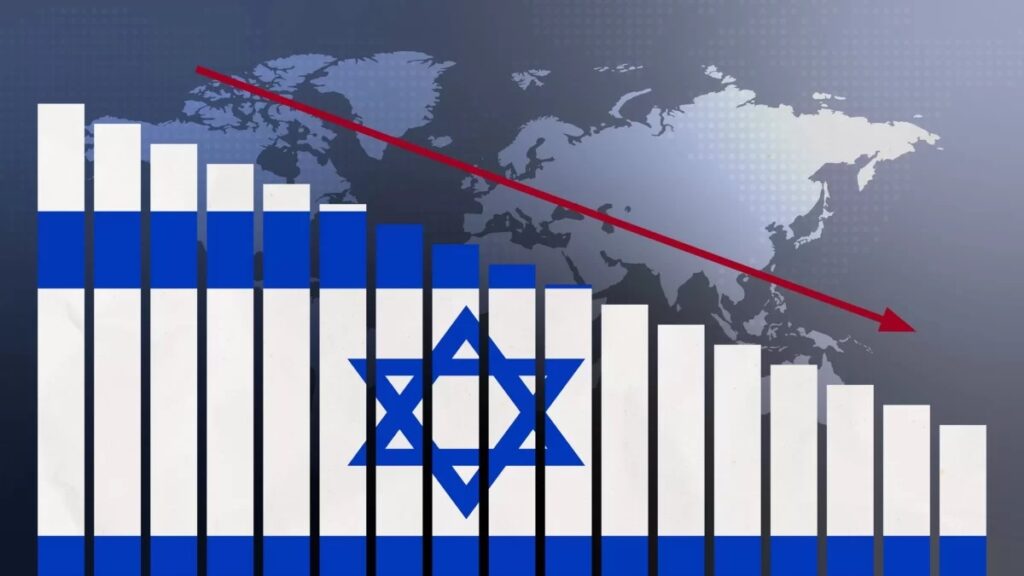
Israel’s strategy appears aimed at “Economic Decapitation”—destroying the financial heart of the regime to trigger a domestic collapse. However, this high-stakes gamble risks permanent damage to the global energy supply chain. If Israel continues to strike Iranian gas and oil fields, the response from Tehran is expected to be a total “Scorched Earth” policy across the Gulf, potentially ending the Middle East’s era as the world’s primary energy provider.
About the Author

Discover more from
Subscribe to get the latest posts sent to your email.


